
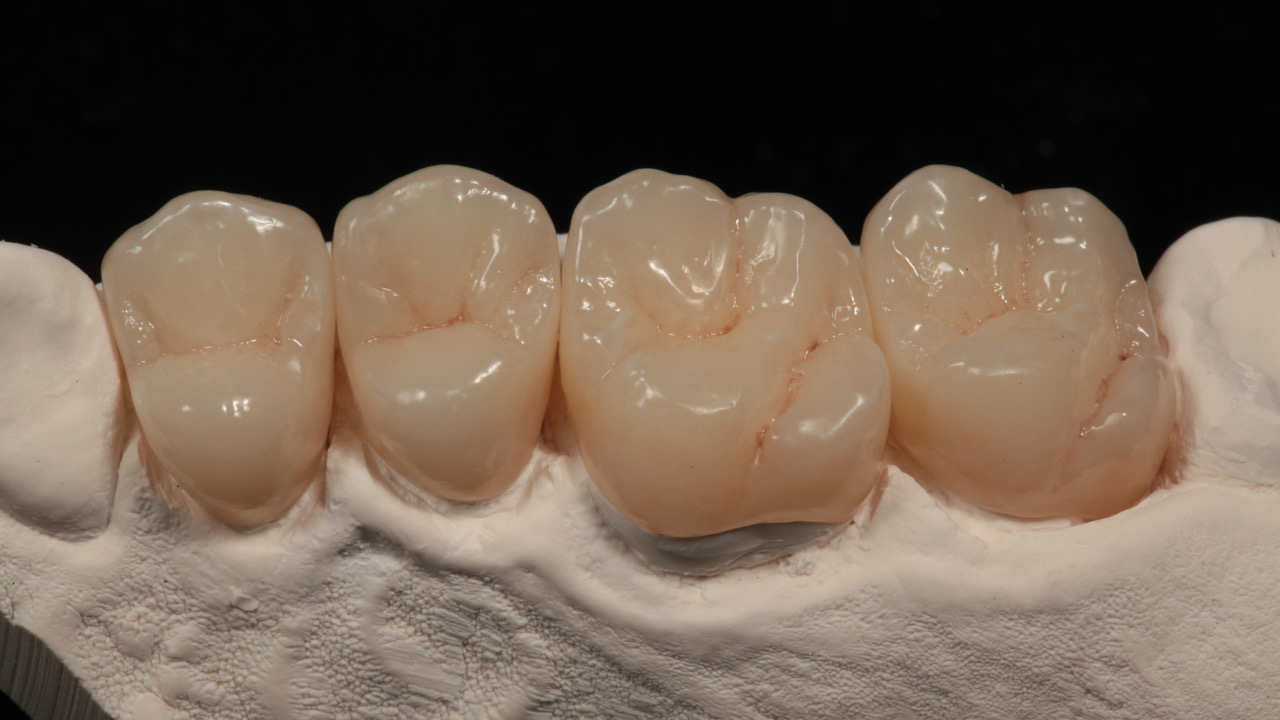
All-ceramic is the material of choice for indirect restorations because the various ceramics meet both the aesthetic and functional requirements for dental restorations in the anterior and posterior areas. In addition, ceramics are considered one of the most biocompatible material classes. A study is described here in which the abrasion behavior of lithium silicate ceramics was examined.
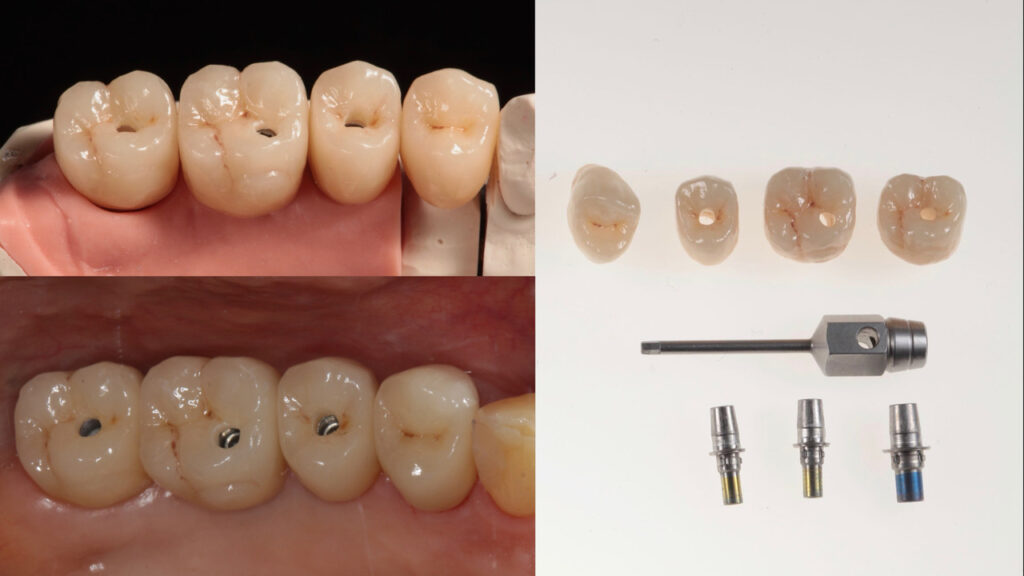
Solid ceramics and the group of silicate ceramics: Depending on the type of reinforcement, silicate ceramics can be divided into lightly (feldspar/leucite) and heavily reinforced ceramics (lithium silicate). These ceramics are typically used to create single-tooth restorations such as partial and full crowns, inlays, onlays and veneers.
For subtractive manufacturing techniques, a distinction must be made between:
- lithium disilicate,
- lithium metasilicate,
- Lithium aluminasilicate and
- Lithium di/aluminasilicate ceramics.
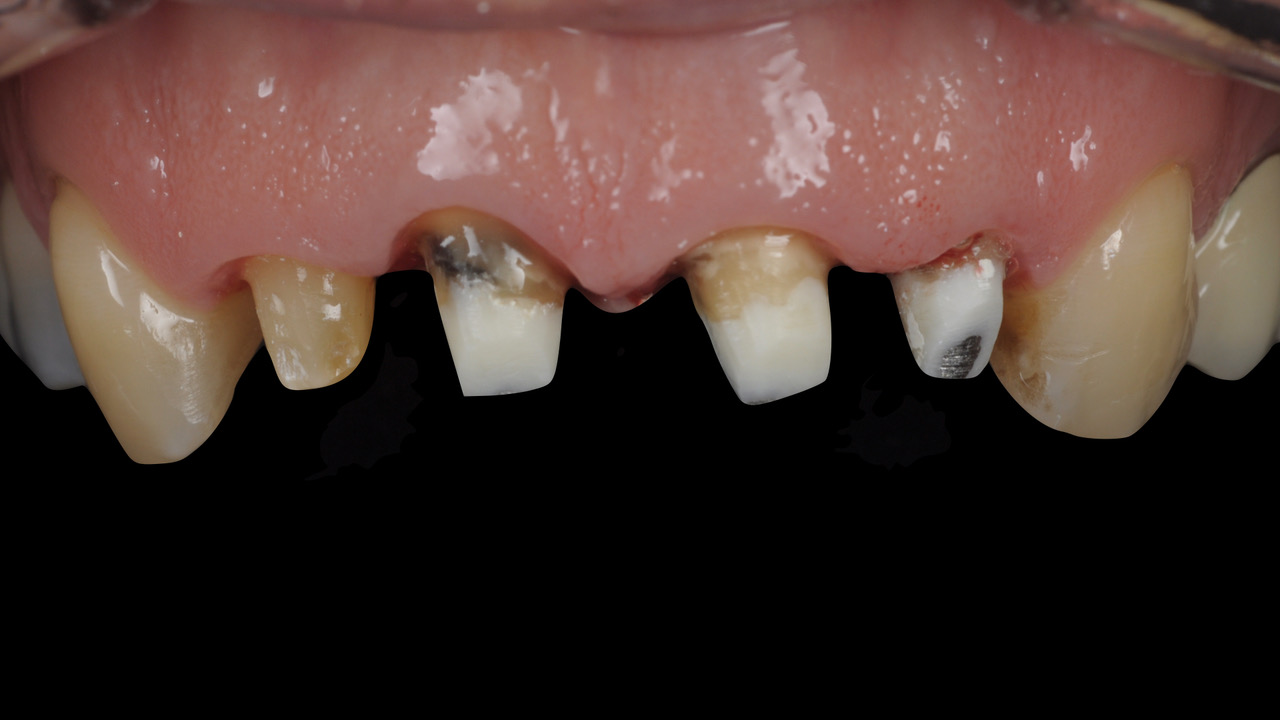
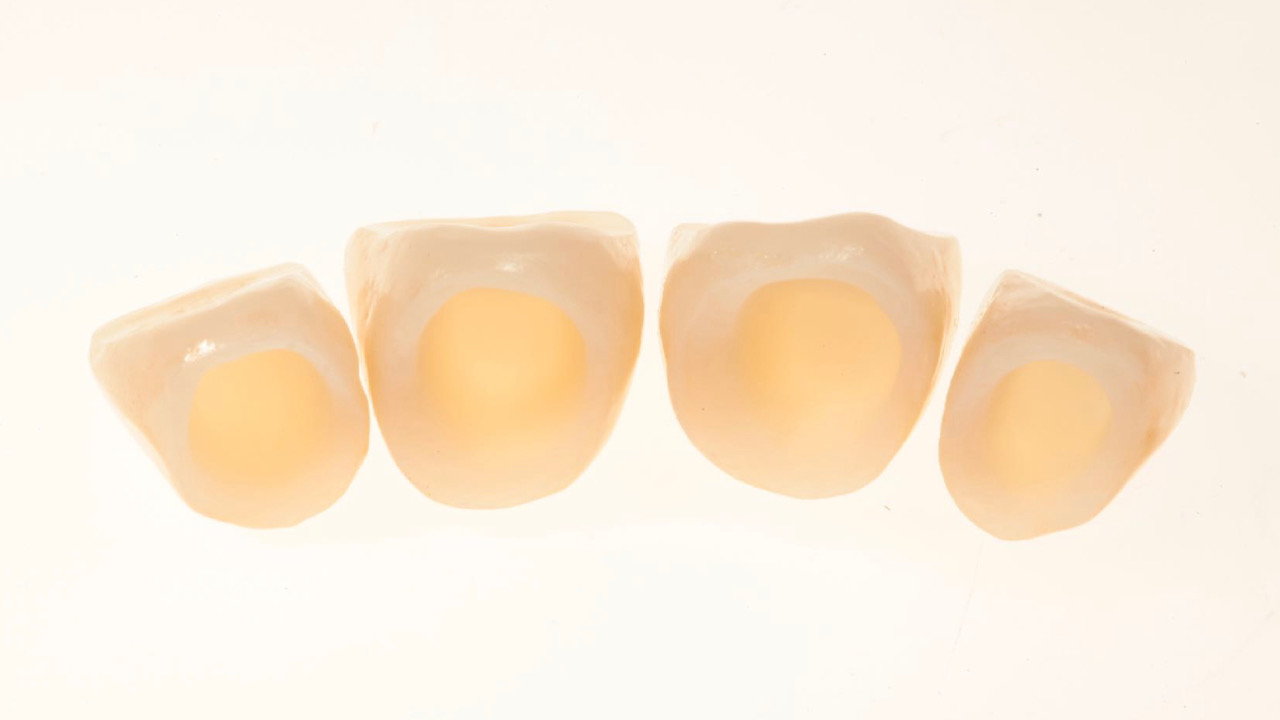
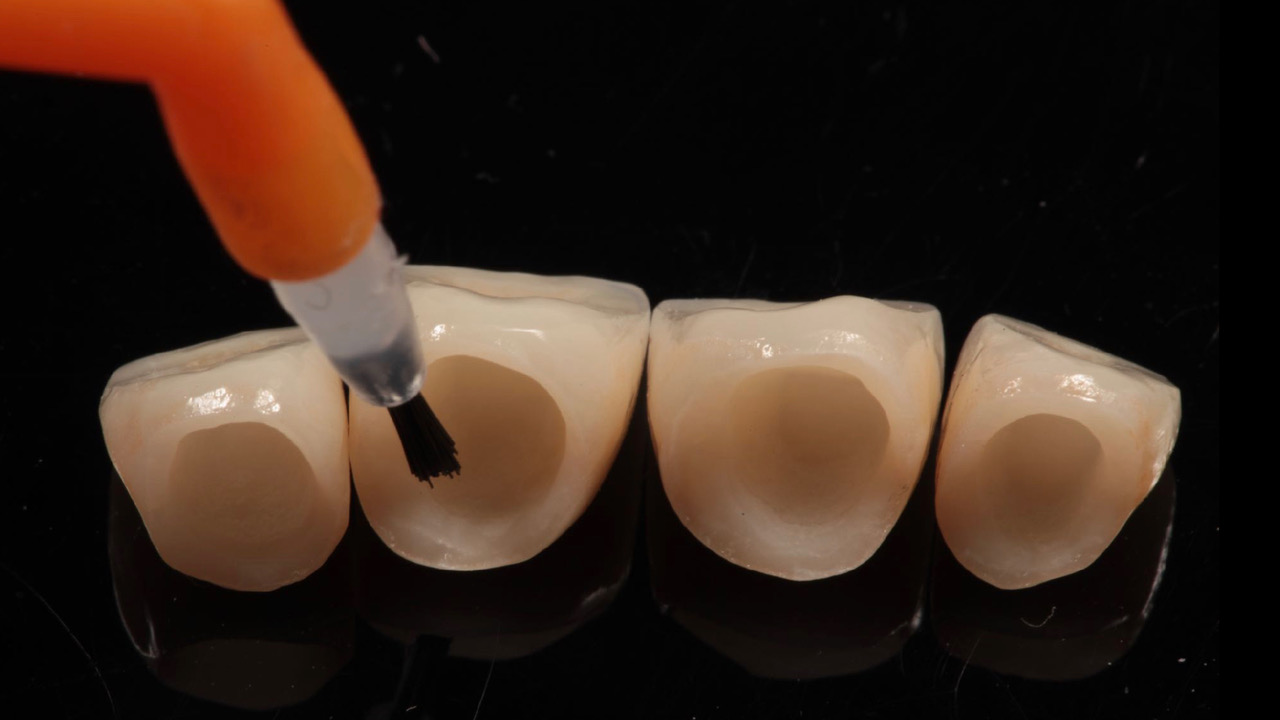
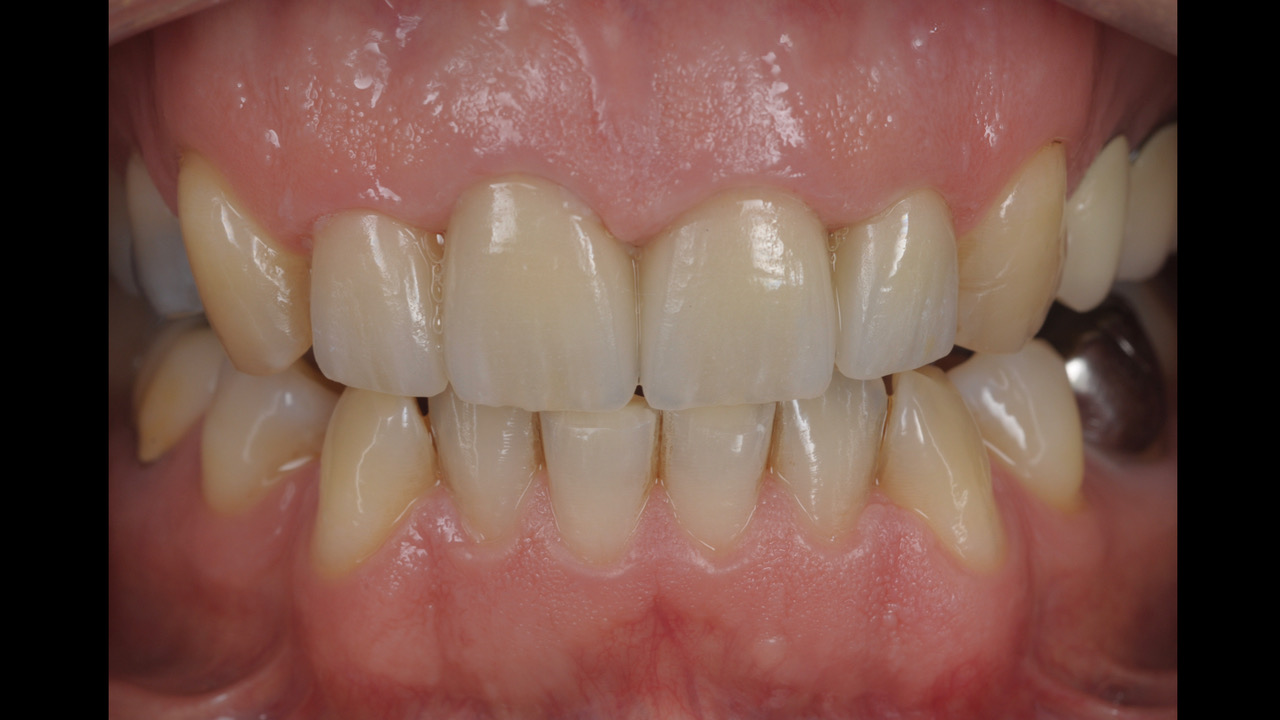
Lithium disilicate ceramics in focus
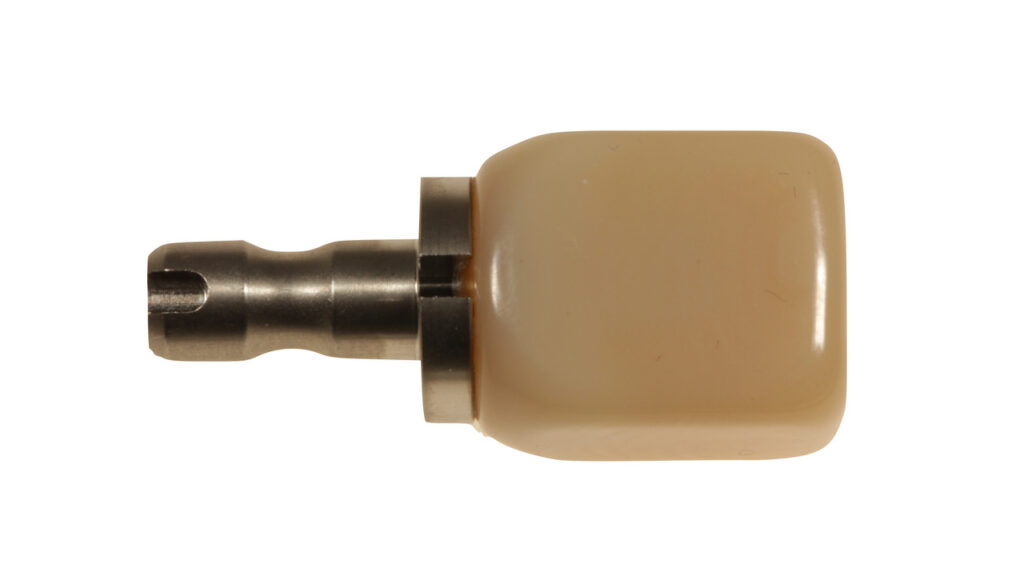
Lithium disilicate ceramics have been on the market the longest and have been extensively studied. All of these ceramics are processed using slightly different methods. They are available as pre-crystallized or fully crystallized CAD/CAM blocks (further information can be found in the materials science compendium "Dental Ceramics"; free for members of the EADT eV). After milling, the pre-crystallized blocks must be crystallized to achieve their final properties. Fully crystallized blocks, on the other hand, must be thoroughly polished to ensure that no microcracks are present on the surface. These could lead to premature fracture of the material. Another option is glazing, which can be combined with individualization using stains. This process can be applied to both pre-crystallized and fully crystallized ceramics. The additional glaze theoretically closes the microcracks within the ceramic mass and thus primarily prevents the growth of subcritical cracks. Restorations made of lithium silicate ceramics are mainly used monolithically without veneering.
Wear is defined as loss of material from a restoration surface caused by mechanical contact against a solid or liquid body, chemical reactions, or simultaneous action of chemical and mechanical reactions. Enamel hardness and thickness as well as chewing behavior combined with parafunctional habits and neuromuscular forces influence clinical wear. The antagonist material is also crucial. Antagonists with lower hardness have higher material losses than harder antagonists. Therefore, the study presented here aimed to investigate the two-body wear of lithium silicate ceramics depending on different antagonist materials.
In vitro investigation
The study presented here aimed to investigate the two-body wear of lithium silicate ceramics depending on different antagonist materials.
Three lithium silicate ceramic materials were investigated:
- Initial LiSi block (LISI), GC Corporation, Tokyo, Japan,
- IPS e.max CAD (EMA), Ivoclar Vivadent, Schaan, Liechtenstein,
- CEREC Tessera (TESE), Dentsply Sirona Inc., Charlotte NC, USA.
Congruent monolithic crowns were milled from the materials and carefully polished. The stump models were milled from a glass fiber reinforced CAD/CAM block ((TRINIA, Bicon Europe Ltd., Büchenbeuren, Germany, E-modulus: 19 GPa) and corundum blasted. The inner surfaces of the lithium silicate ceramic crowns were treated with hydrofluoric acid for 20 seconds etched and then cleaned with alcohol in an ultrasonic bath. The crowns were conditioned with G-Multi PRIMER (GC Europe) and secured with a self-adhesive luting composite (G-Cem ONE, GC Europe).
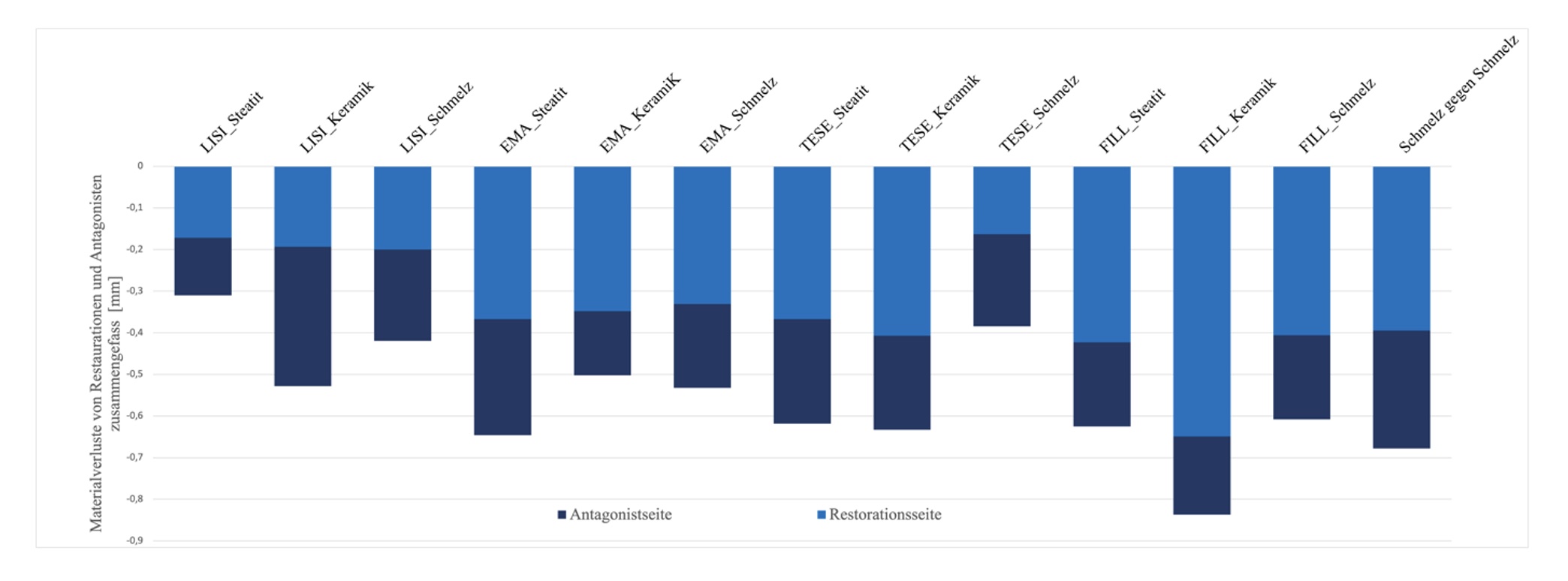
Two-body wear
The study examined the two-body wear of a fully crystallized and a pre-crystallized lithium disilicate ceramic material as well as a pre-crystallized lithium di/aluminasilicate ceramic and compared them with a direct restorative material and human teeth. Different antagonist materials such as steatite, ceramic and human tooth enamel were used.
The results showed that LISI restorations had the lowest in vitro two-body wear among the three lithium silicate materials after a simulated chewing motion over five years. Interestingly, the wear of the LISI restorations did not depend on the antagonist material. One of the main differences between LISI and the other two lithium silicate materials lies in their state of crystallization during milling.
Conclusion
Generally, lithium silicate ceramics consist of Li₂Si₂O₅ crystals embedded in a glass matrix. EMA, the first lithium disilicate ceramic block for subtractive manufacturing, is processed in an intermediate crystalline state (the "blue state"), where lithium metasilicate (Li₂SiO₃ ) constitutes a certain proportion of the lithium silicate crystals. Grinding ceramics in their pre-crystallized state is an elegant method for improved grinding efficiency and reduced tool wear. The final mechanical and aesthetic properties of the restoration are achieved after a crystallization firing, in which lithium metasilicate is converted into lithium disilicate crystals. In this study, the restorations were crystallized from EMA and TESE blocks, while the LISI restorations did not undergo an additional firing process after grinding. LISI is a new type of lithium disilicate ceramic that can be processed in a fully crystalline state. Furthermore, according to the manufacturer, the material exhibits smaller crystal sizes, which is one of the key structural differences compared to older CAD/CAM lithium disilicate ceramics such as EMA.