
In conversation with Dr. Isabel Metz
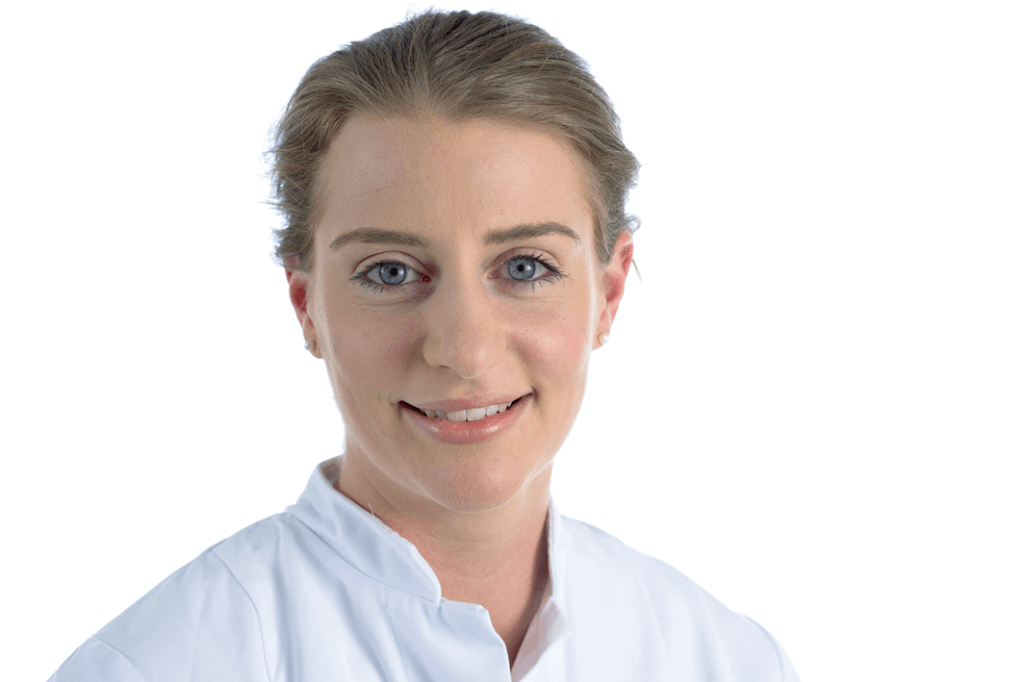
Dr. Isabel Metz (member of EADT eV) dealt extensively with the topic of “senior dentistry” for her master’s thesis. The dentist works in dental prosthetics at the LMU Munich Clinic. She examined senior dentistry from a scientific perspective, among other things. In the interview she answers some questions for everyday clinical practice.
Trying to describe an exact age is difficult and does not necessarily correspond to the real situation. Physiologically, old age is accompanied by physical age-related changes, which have their origin in the changes in each individual cell. Also pathological events, such as B. diseases, can occur more frequently. However, these changes do not necessarily correlate with a specific calendar age. It makes more sense to view each patient as an individual and assess the extent to which the physiological and pathological changes influence dental treatment.
In the fifth German oral health study (DMS V, 2016) figures can be found for three patient groups. Among others, younger seniors (65 to 74 year olds), older seniors (75 to 100 year olds) and older seniors in need of care were examined. A comparison shows that the experience of caries, i.e. the number of teeth with carious lesions or restorative care or teeth replaced, increases with increasing age. 12,4% of younger, 32,8% of older and 53,7% of older seniors in need of care no longer have their own natural teeth. If you look at the control-oriented use of dental services, this drops significantly with reduced everyday skills (older seniors: 68,2%, older seniors with care needs: 38,8%). The amount of help required with oral hygiene is also increasing (older seniors: 6,7%, older seniors requiring care: 29,8%).
Reproducibility is an important aspect in senior dentistry. Many older seniors find it difficult to get used to new dentures. Duplicating digitally stored prostheses already worn by the patient by milling them out again from a polymerized plastic blank represents an interesting possibility in this regard.
It is undisputed that diseases in the oral cavity are directly related to some diseases of the entire organism. If there is inadequate oral hygiene and therefore increased plaque and bacterial accumulation on natural or artificial teeth, the risk of respiratory disease can increase significantly. Pneumonia often leads to death in older patients. Inflammation of the periodontium (periodontitis) can also have an impact on existing diabetes mellitus or even increase the risk of heart and circulatory diseases.
Especially for patients with limited everyday skills, it is necessary to raise awareness of oral health issues in the interdisciplinary environment. For example, dental training for nursing staff can help them identify possible deficits and oral health-related risks at an early stage. In addition, it is desirable to strengthen outpatient dental care for seniors in need of inpatient and outpatient care. In 2013 and 2014, the legislature already promoted these efforts with the Care Structure Act (VStG) and the Care Realignment Act (PNG).
Prosthetic care can have a major impact on overall quality of life and physical health. Pain caused by destroyed teeth or inadequate dentures reduces chewing performance. In addition to physiological age-associated factors, such as reduced feelings of hunger and thirst, reduced salivation, etc., pain can lead to impaired food intake. The food can only be broken down inadequately, which can result in digestive problems. To compensate, the diet is often changed to a one-sided soft or liquid diet that has lost many nutrients and vitamins, and malnutrition can result.
The implementation of care concepts in everyday life is essential. Routine check-ups, professional tooth and denture cleaning as well as regular patient instructions are important pillars. Oral hygiene for older seniors can also be made easier by using simple aids, such as specially shaped handles on toothbrushes.
Many thanks for the interview!
Annett Kieschnick