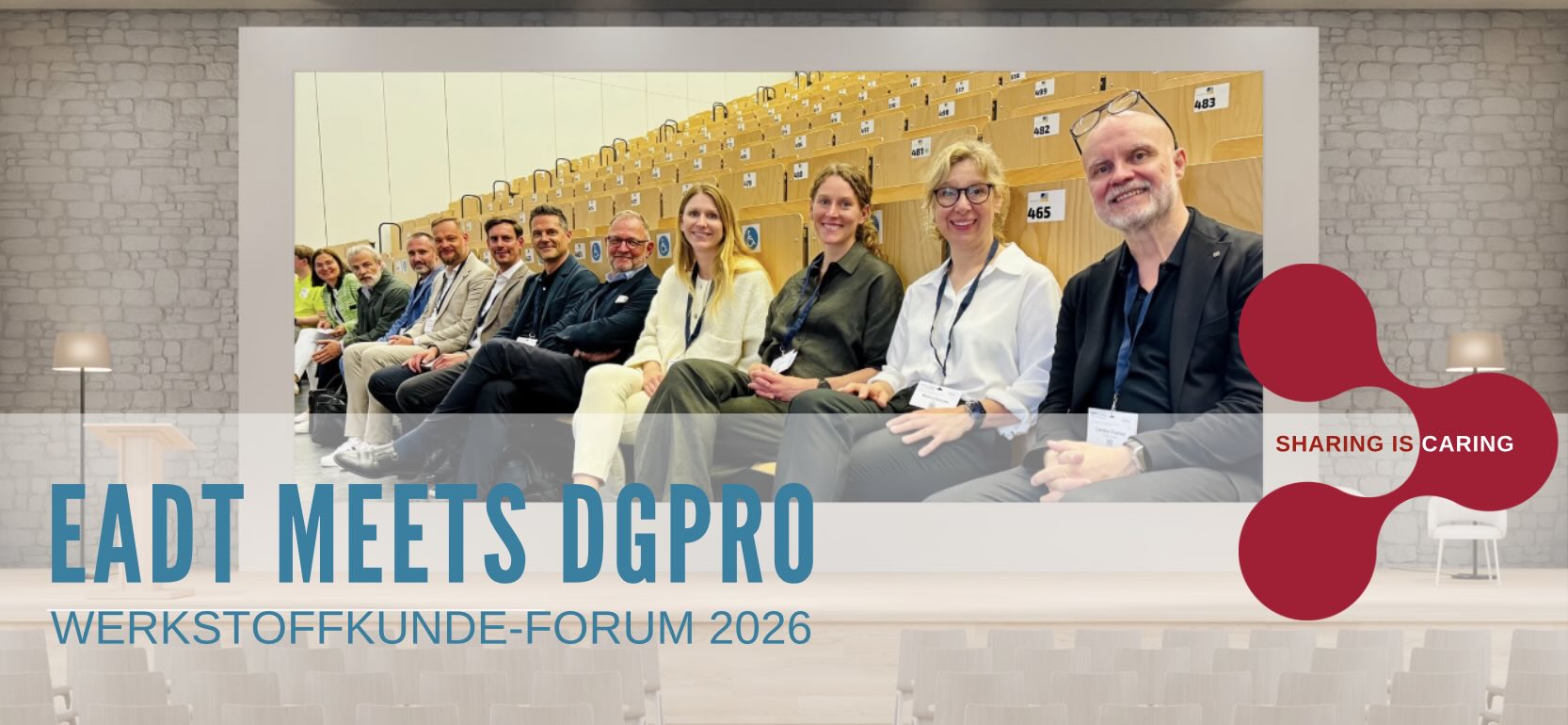
Materials science, 3D printing, artificial intelligence, MDR, digital workflows – the list of topics at the EADT Materials Science Forum at the DGPro Annual Meeting 2026 was long. However, the focus was on one overarching question: What determines the success of prosthetic restorations today?
With "EADT meets DGPro: Sharing is Caring," the EADT organized the Materials Science Forum at the 2026 DGPro Annual Meeting in Bonn. On one of the most important scientific platforms in prosthetics, what has distinguished the EADT for years became evident: the exchange between science, practice, laboratories, and industry. In keeping with the DGPro's overarching theme, "Prosthetic Dentistry meets Medicine," the day demonstrated how closely materials science, clinical decisions, digital processes, and interdisciplinary collaboration are intertwined.
From TEAM talk to the workshops
The EADT eV kicked off the event the previous evening with a special TEAM Talk featuring Prof. Dr. Stefan Wolfart. Friday morning continued with two practical workshops. Adham Elsayed (Kuraray Noritake) took participants on a thorough yet practical exploration of adhesive cementation. The focus was less on the formula itself and more on determining the most suitable cementation strategy for each indication. Simultaneously, Stefan Roozen, together with GC, demonstrated how targeted micro-layering can aesthetically enhance monolithic restorations. Concrete case studies illustrated the close integration of materials science, aesthetics, and clinical application.
Materials Science 2026: Where do we stand today?
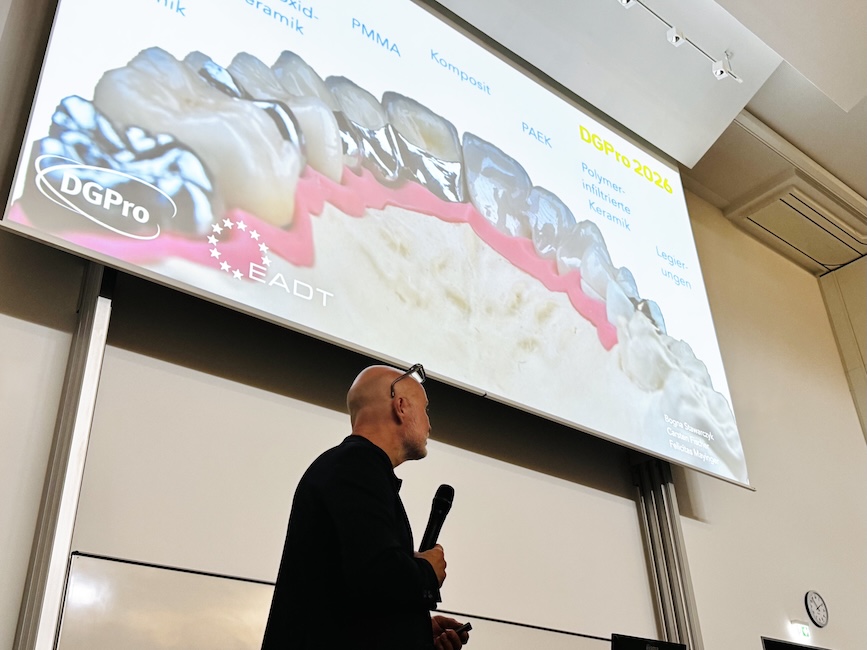
Restorative dentistry is changing rapidly. Monolithic restorations are established, digital processes are evolving, and new materials are continuously expanding the possibilities. This development was the focus of the opening presentation by Felicitas Mayinger, Bogna Stawarczyk, and Carsten Fischer. It quickly became clear that the discussion is no longer solely about strength values. While monolithic restorations have become established, questions of biology, aesthetics, and process efficiency are moving to the forefront. Ceramic 3D printing was also examined; the technology is developing rapidly but is currently still encountering limitations in materials science.
Ceramics in transition: When communication becomes a success factor
Ceramics were the topic. Communication was the real message. Marcus Engelschalk and Stefan Roozen made it clear that despite digital workflows, AI, and increasingly powerful planning tools, communication between practice and laboratory remains one of the biggest challenges in everyday practice. Digitization alone won't solve these problems. What's needed is a common language, clear processes, and a shared understanding of therapeutic goals.
Using patient cases, the speakers demonstrated how modern prosthetics can be created today: photos, CBCT data, smile designs, and surgical plans are digitally integrated, treatment options are simulated, and coordinated across disciplines before the first procedure. The presentation also highlighted the nuanced nature of material choices. While silicate ceramics set standards in aesthetics, zirconia excels where biology and soft tissue management are paramount. There is no single "best material" that applies across the board. The clinical context is the decisive factor.
Polymers and hybrid materials: More than just an alternative?
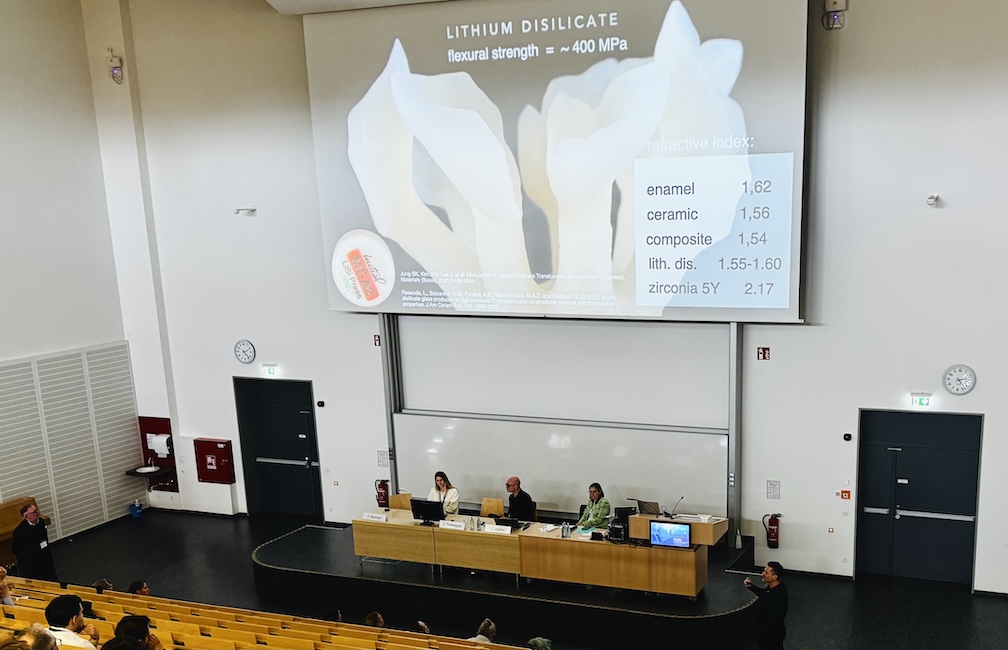
Do we still need ceramics at all? Christian Hannker and Moritz Hoffmann explored this question and demonstrated why the answer is more nuanced today than it was just a few years ago. Their focus was on printed and milled composites, lithium disilicate, and zirconium oxide. Their approach led directly to the core of materials science. Whether glass matrix, crystal structure, or polymer microstructure: the internal structure of a material determines its properties, processing, and ultimately, its clinical applications. At the same time, the comparison of additive and subtractive manufacturing showed that process efficiency and long-term clinical stability do not always go hand in hand. While 3D printing processes are gaining increasing importance, ceramic materials remain the reference standard for highly stressed definitive restorations for the time being.
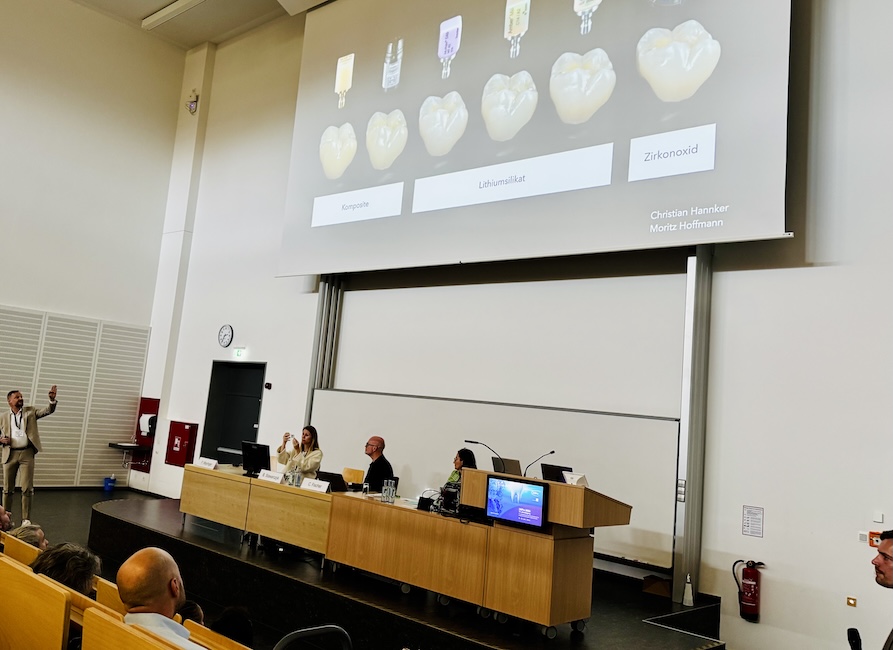
The focus was on printed and milled composites, lithium disilicate, and zirconium oxide. Their approach led directly to the core of materials science. Whether glass matrix, crystal structure, or polymer microstructure: the internal structure of a material determines its properties, processing, and ultimately its clinical applications. At the same time, the comparison of additive and subtractive manufacturing showed that process efficiency and long-term clinical stability do not always go hand in hand. While 3D printing processes are gaining increasing importance, ceramic materials remain the reference standard for highly stressed definitive restorations for the time being.
3D printing: Between innovation and evidence
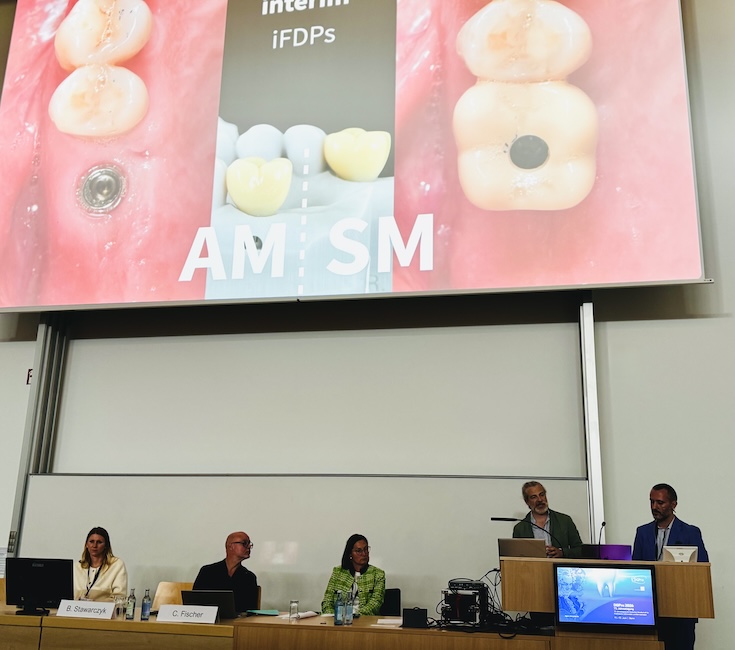
Alexis Ioannidis and Andrea Patrizi focused on additive manufacturing and demonstrated how digital planning, backward planning, and 3D printing interlock. Many applications that were considered visionary just a few years ago now shape their clinical practice. However, the speakers critically examined the limitations: while the technology is making enormous leaps, the scientific data is lagging behind the pace of development. Printed temporary restorations are clinically established, but reliable long-term data for definitive restorations is lacking. This is the typical tension inherent in new technologies: technically, much is feasible – the crucial question is when sufficient evidence will be available to safely integrate these procedures into definitive patient care. A realistic view of 3D printing: away from the hype and towards clinical application.
MDR in practical application: How much regulation does innovation need?
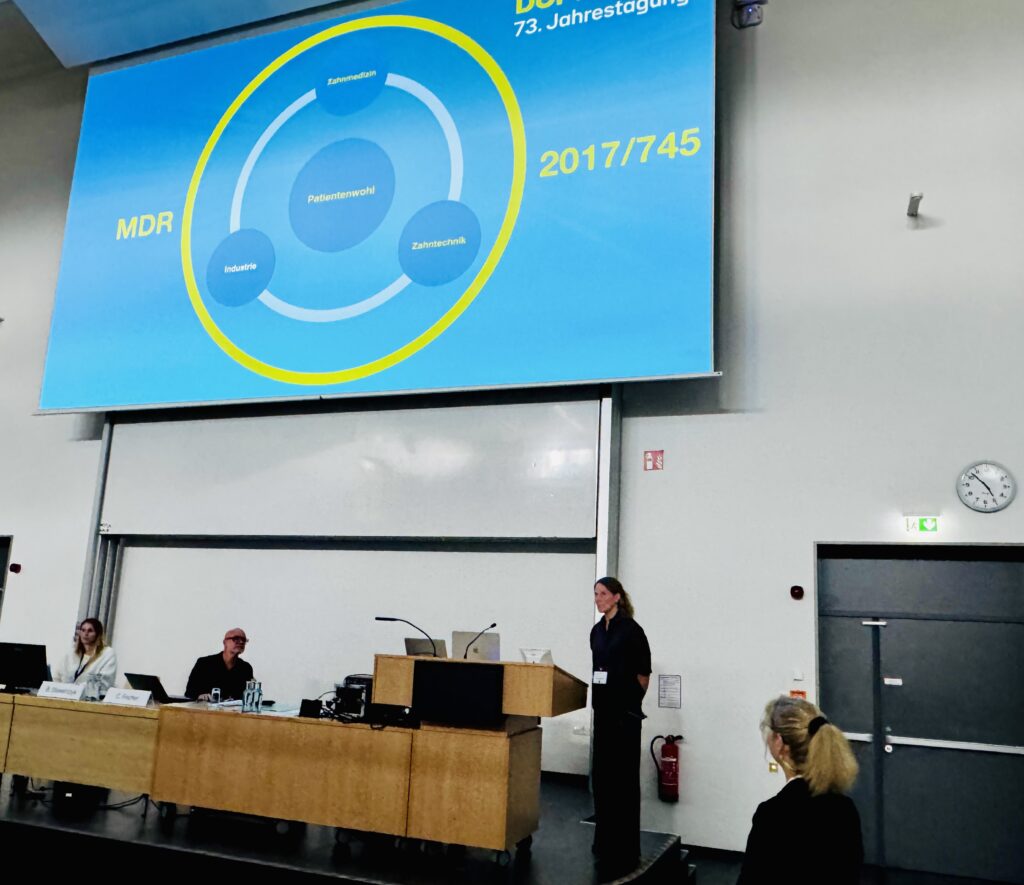
After discussing materials, digital workflows, and new manufacturing technologies, the next question inevitably arose: How do these new developments translate into safe applications in everyday practice? Nina Lümkemann and Martina Schmitz explored this topic from different perspectives. It quickly became clear that the MDR (Medical Device Regulation) is not just a concern for manufacturers. Its requirements extend into the daily operations of medical practices and laboratories. Batch documentation, traceability, declarations of conformity, and documentation obligations are now standard practice.
At the same time, the speakers demonstrated that the MDR is a topic driven by innovation. The higher the regulatory requirements become, the more complex and costly the development of new products becomes. Manufacturers are increasingly faced with the question of which innovations are still economically viable. This is where the concept of "Well Established Technologies" (WET) comes in.
The underlying idea is to evaluate proven material classes in a more differentiated regulatory manner and to give greater consideration to existing scientific evidence and established guidelines. This approach could help to better reconcile patient safety and innovation in the future.
More than materials science
It became clear during the panel discussion that the afternoon's topics could not be considered in isolation. The audience asked fewer questions about specific materials and more about how to integrate all of this into daily practice.
- How do you communicate in digital workflows?
- With the growing number of materials and processes, who can still keep track?
- And how do innovation and patient safety fit together?
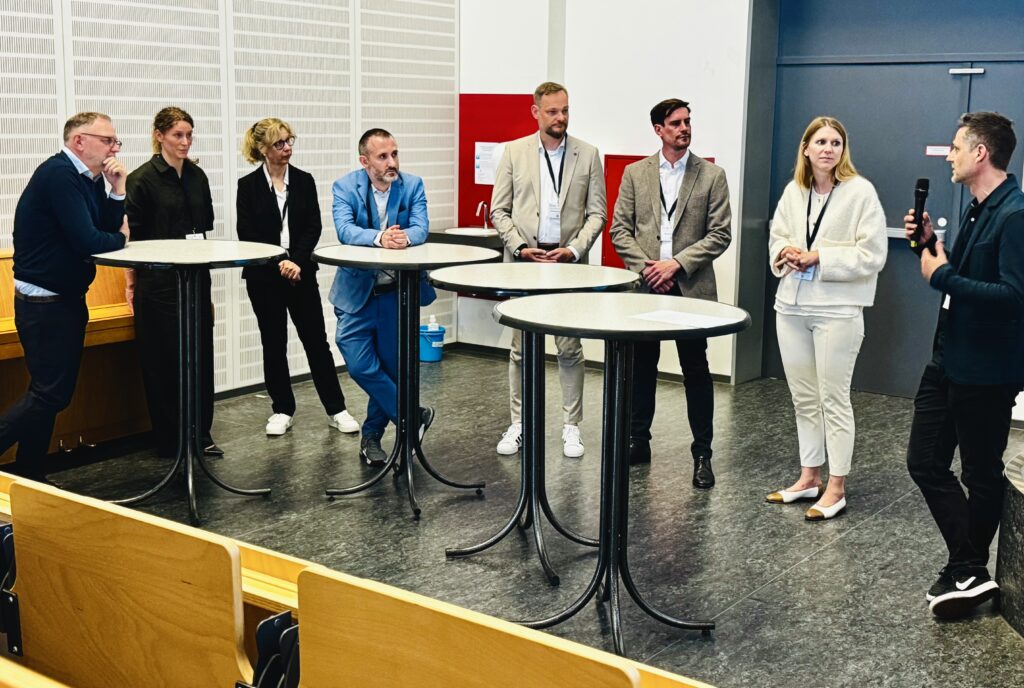
Three questions, one common denominator: Success is not determined by technology, but by the exchange between the people who use it. Scientific expertise, clinical experience, and dental technology perspectives converged in Bonn.
The discussion will continue on September 9-11, 2027 at the 74th DGPro Annual Meeting in Münster.